So after all the goodbyes the day arrived when the four of us returned to Canada, perhaps similar to our 8 suitcases – looking somewhat the same on the outside but full of many new things on the inside. We had decided to make our first stop Saskatchewan, our collective hometown where we had not visited during our 3 1/2 years away. We were welcomed at the airport with a warm embrace from family and friends who were excited that we were back. Rolling into Waldheim (Rick’s hometown) that first night was strangely familiar and while scenic and quaint, for Rick especially, it felt quite remote, and lead to the questions, where are all the people? Are we in the middle of nowhere? We know… it just felt that way.
Over the next month in Saskatchewan we took steps to move back into our home (thanks to all who helped out), and were reminded of the blessing of good renters who perhaps cared for the house better than we would have done! Going back to a neighbourhood with good family friends, and seeing all of our kids so quickly reunited was an equal miracle. In many ways the practical aspects of moving back progressed quite well and we enjoyed many reunions with people and places, yet there were other emotional and mental ties back to Chiapas that made resettling not so easy. But time always goes on, and so…

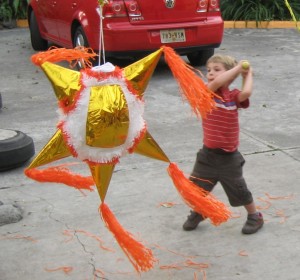
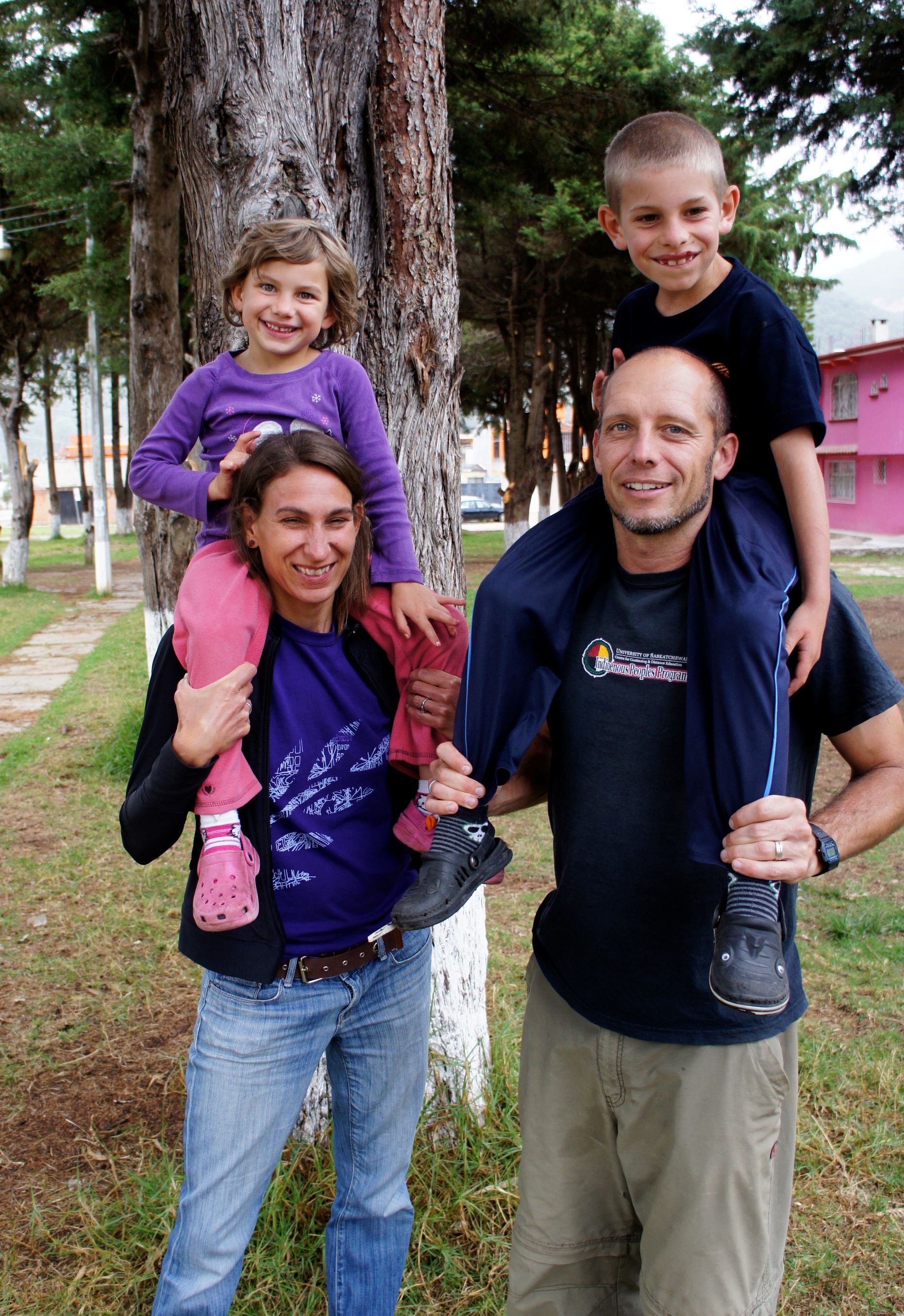
Amongst other reasons, Grandma/pa Falk came out to Sask. to celebrate Ezra (8) and Jacquie’s (40) birthday in May.
The plan all along was to use some of our resettlement time and funds (thank you MCC!) to have an extended time in British Columbia. But would it be to visit or maybe to live? In time we realized it was to be the former and not the latter (for these next years at least). Even back in Chiapas more than anything it had been the excitement of seeing the “cousins,†and grandparents, etc., which gave hope to the kids that moving back to Canada was a good idea. And the next six weeks brought a lot of time with the cousins…both on the Block and Falk side.


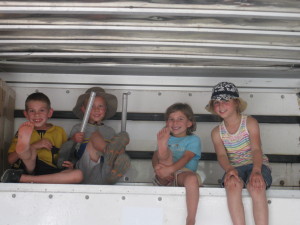
Whether it was camping, hiking, soccer, baseball, swimming, dance parties, celebrating 10 year’s of marriage or just hanging out it was a vacation to remember  (I did decide to keep pictures to a minimum!) And thanks to the new-to-us CRV (bought from Jacquie’s parents) we put on some good miles between the Okanagan and Fraser Valley with some time in the Rockies and a day trip to Vancouver to see Mexican and Canadian friends.
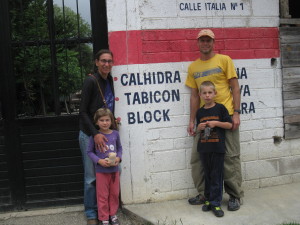
     The Blocks united in Jasper National Park – and later in Yarrow/ChilliwackÂ
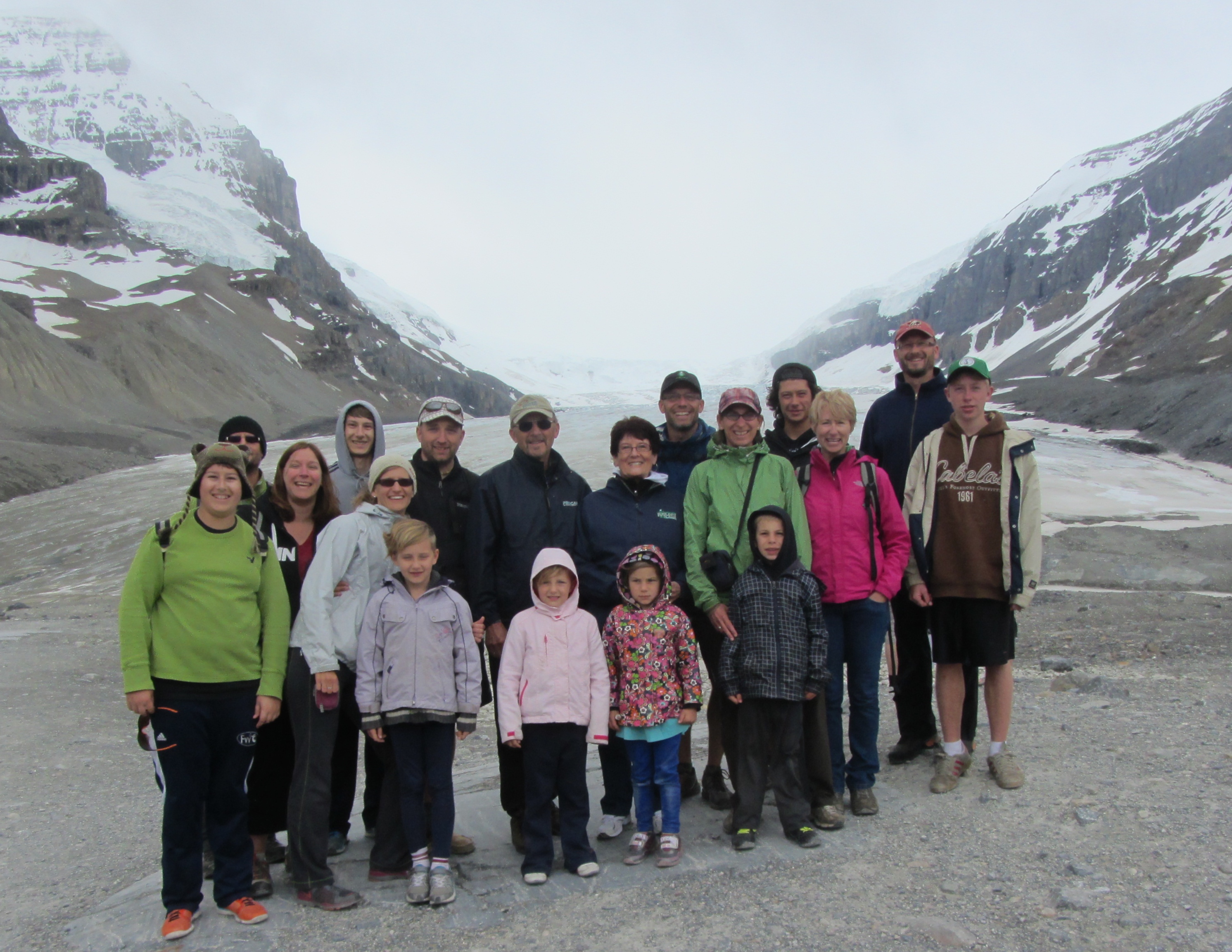
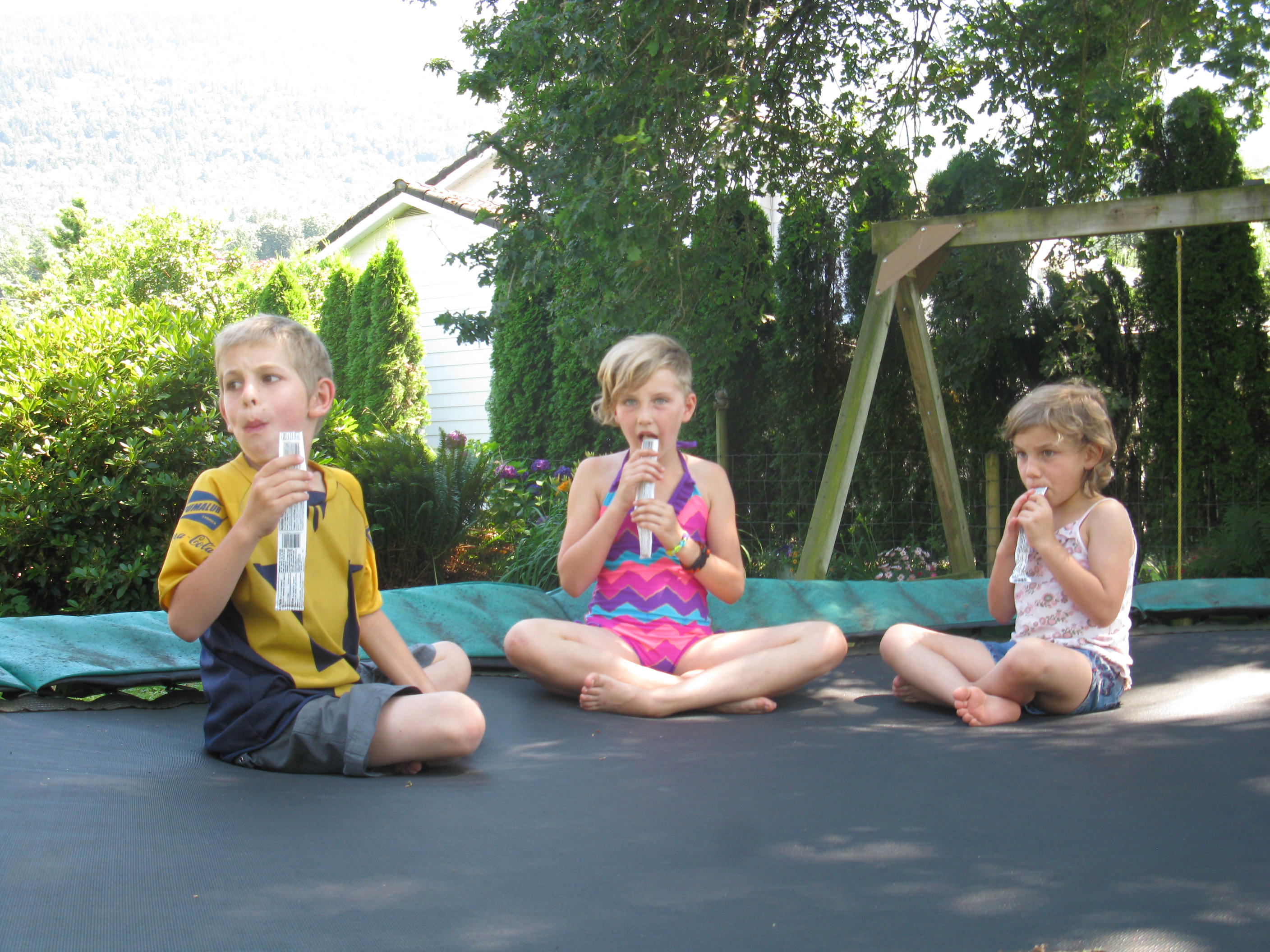
     Â
  The Falk’s enjoyed a great week at Ellison and many other days in Vernon/Armstrong   Â
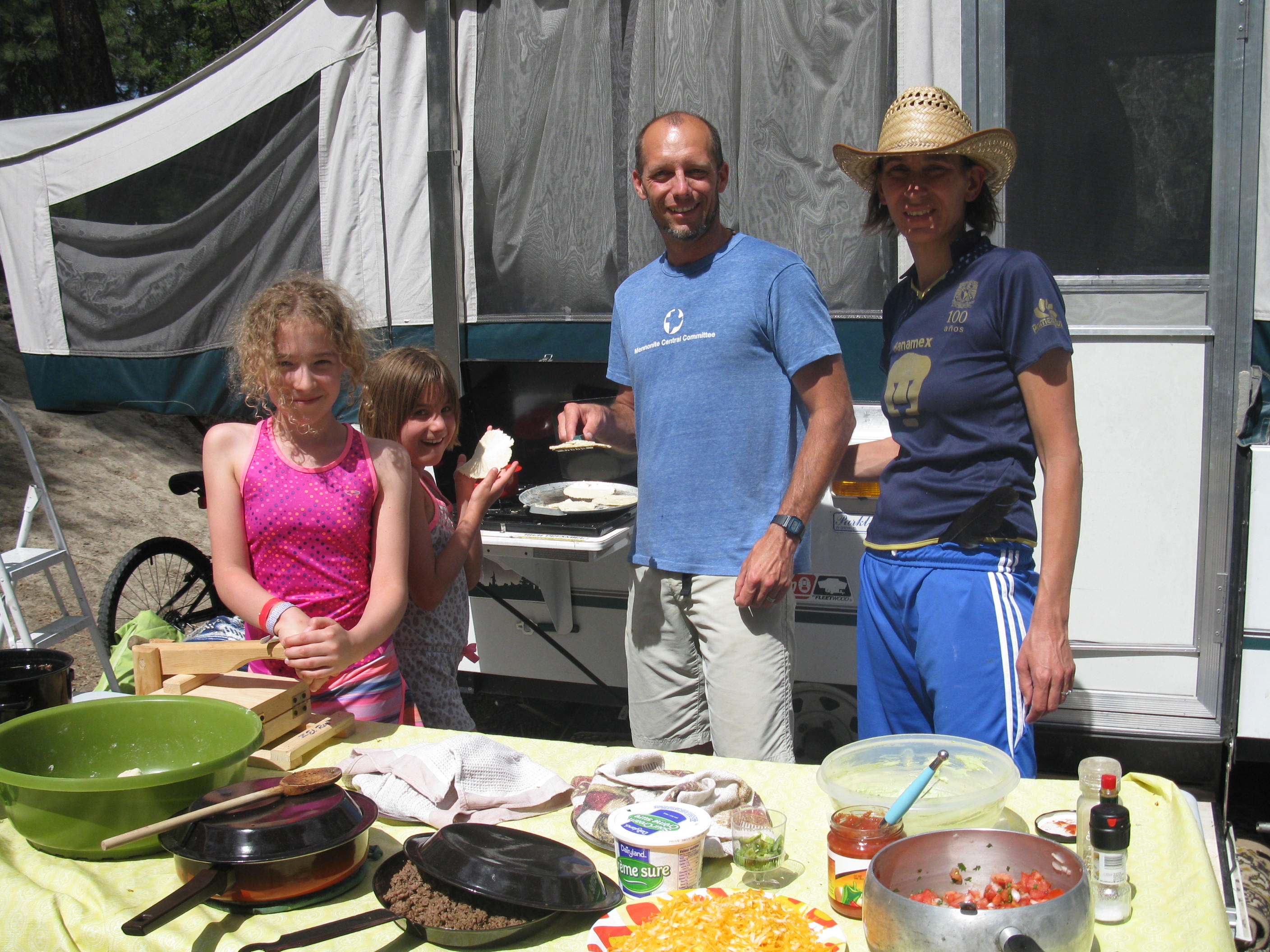

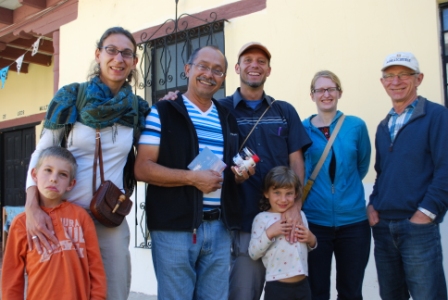
And along the way we enjoyed visiting with some other extended family/friends, including…Â

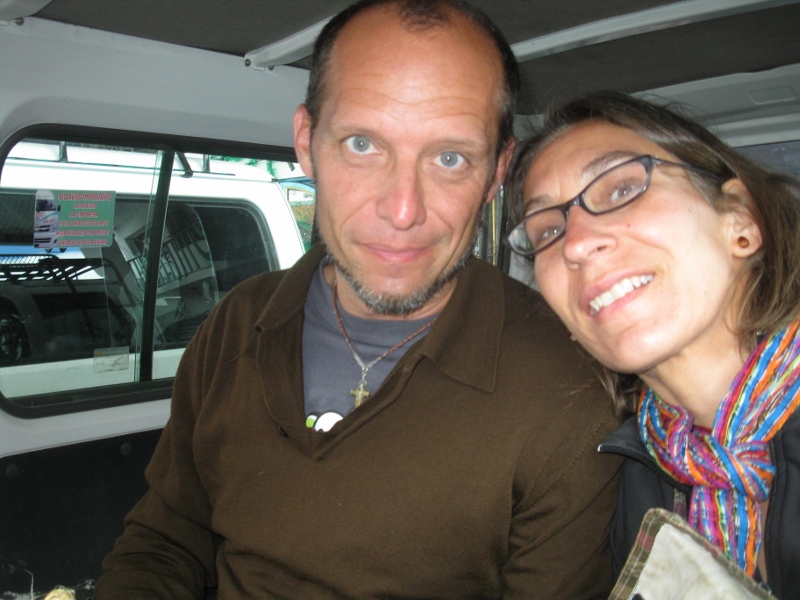
Our friend from Chiapas – working in BC!
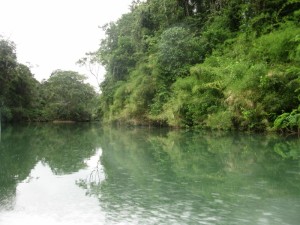
We were so thankful to have this time in BC in Saskatchewan as we continued to adjust to life in Canada, but even good times can bring challenges. As Rick helped me identify over the next weeks, I felt at times like I was returning to a river flowing downstream and some of my attempts to get in the “flow” were not so smooth. Making decisions amidst an increase of options added some “rapids†to manage and perhaps the change from living 80% of life within walking distance also made Canadian living feel more hectic, complex, and yet in other ways isolating. Thinking again about the moving river, at times I just left the stream and needed to find out how to go at a more suitable pace.

Fields in front of Mt. Robson

Cascade Falls, Mission BC
And then before we knew it we were back in Saskatchewan to attend a great wedding before heading our to our MCC Reentry retreat in Pennsylvania. A retreat we received as a gift, a gift of 4 days to reflect, be together as a family, meet others in a similar experience and in the end ceremonially take off the hat of being MCC workers. The time provided helpful insights into common joys and struggles of transition, and gave us the green light to at times remain culturally different than our home countries, or as I heard a few times…happily maladjusted. What exactly does that mean? To give a partial answer I include a Franciscan Blessing  (from a Common Prayer):
May God bless you with discomfort at easy answers, half truths, and superficial relationships so that you may live deep within your heart.
May God bless you with anger at injustice, oppression, and exploitation of people, so that you may wish for justice, freedom and peace.
May God bless you with enough foolishness to believe that you can make a difference in this world, so that you can do what others claim cannot be done.
At our home church in SK- “Los ChiapaCanadienses”

Finally just to say that sharing our story has been therapeutic – so a big thanks to all three western MCC offices, family, various churches, and Bill/Marriane Thiessen who gave us some initial opportunities to share, and for all who came and asked questions and listened. We came back with the hope to be a prophetic voice of God’s desire for peace and justice (in all its physical and spiritual connotations), and to serve in our old but new communities as he directs. So come early August we knew it time to get the household functioning, and to begin making decisions about what life might look like in Saskatchewan.  But still there were many moments when I just needed time…time just to close my eyes, look at pictures and/or pray and remind myself that while we have left Mexico, we carry many of its sights, sounds, friendships, lessons and memories with us.
Watch out for: And then How Shall we Live, coming in a few weeks – Jacquie.
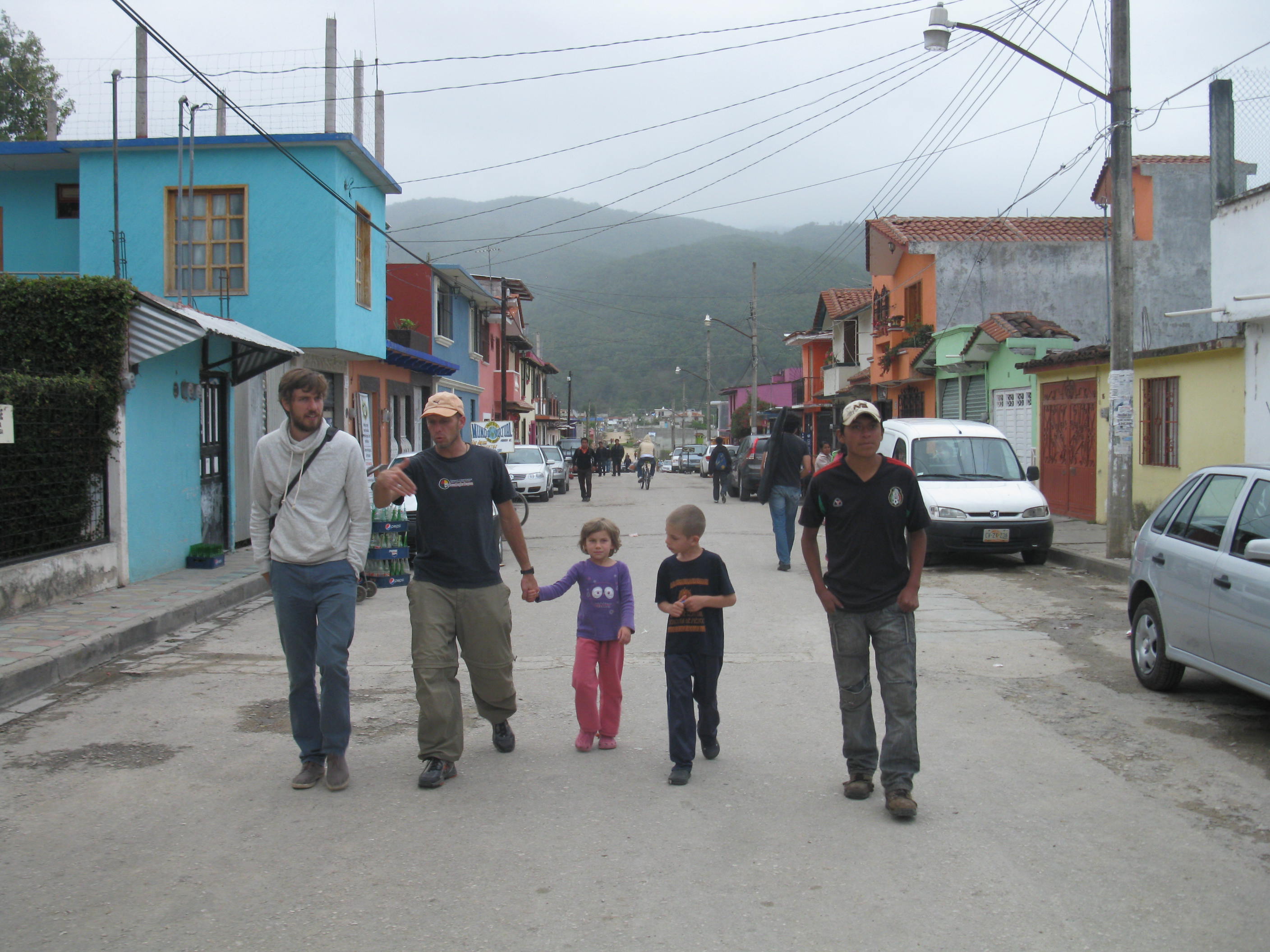
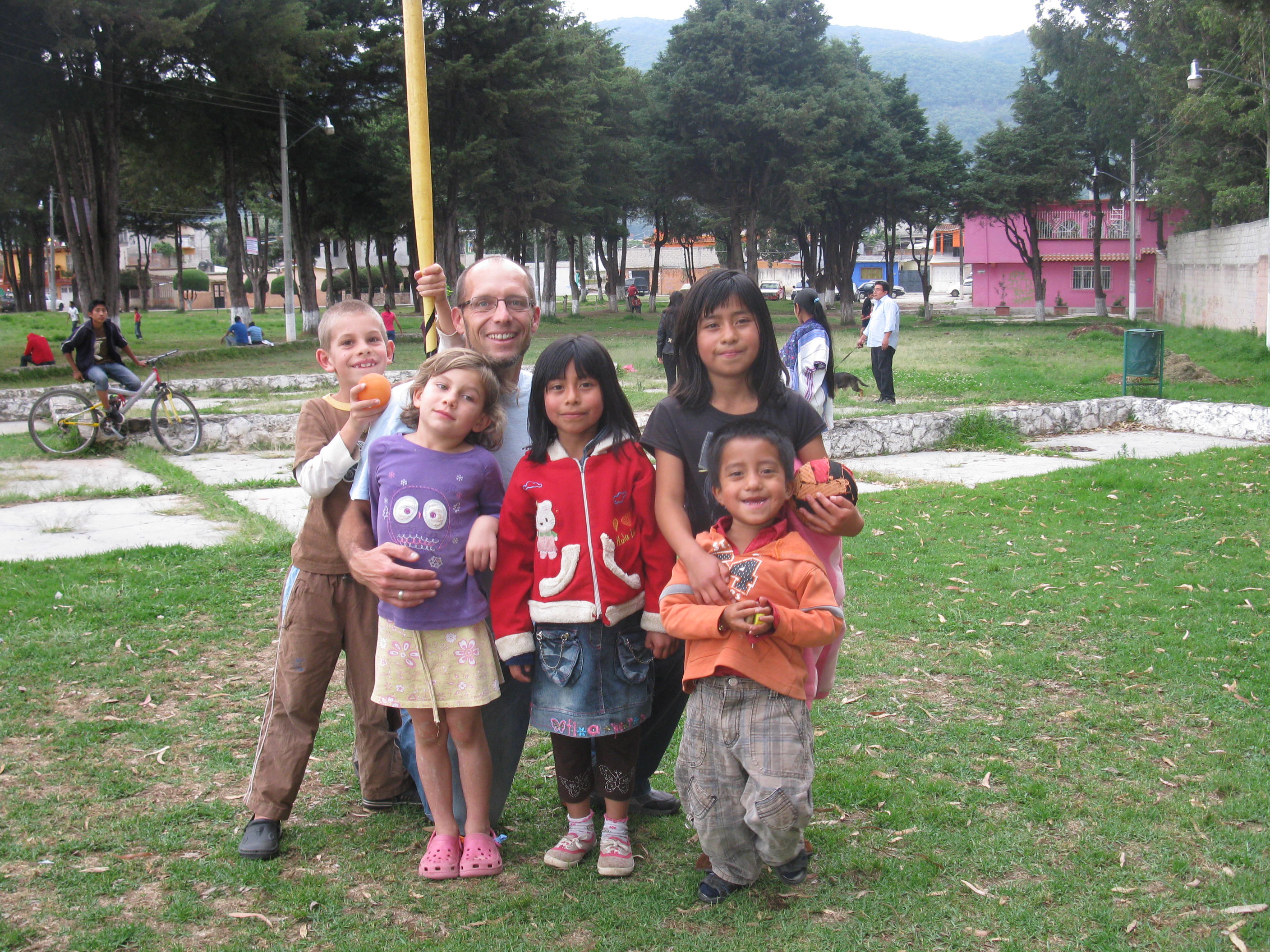
 hat seemed like “homeâ€. Don’t get me wrong; I was more than ready to see our friends and family and experience summer life in Canada (Hilary is still waiting for the snow to fall!). But the move just seemed so permanent – and in reality it was. Perhaps Ezra expressed it best during one of our last evenings in San Cristobal when through tears he said, “we are leaving my home, my country, my friends”.













 Â
  Â